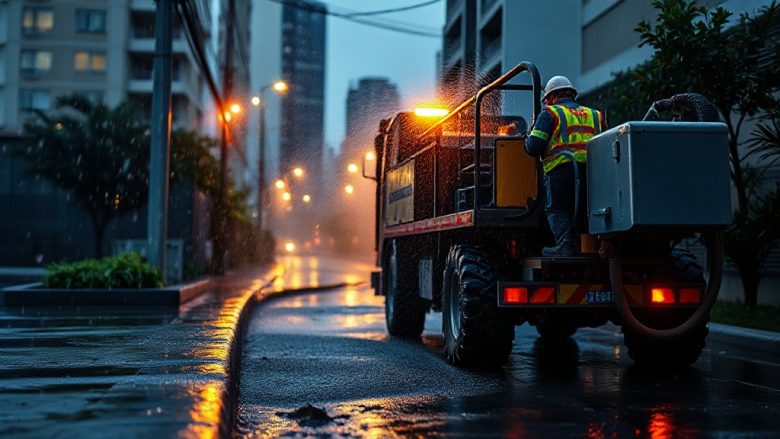
Summer Rain and Drain Strain in Caraguatatuba: A Seasonal Prep Note
The first heavy rain after weeks of dry, dusty weather is the one that catches every drain off guard. That single storm — usually in late November or early December — triggers more drain calls along the São Paulo coast than any other week of the year. If you own a home or holiday property in Caraguatatuba, this is the moment to think about desentupidora São Sebastião services, because the same weather pattern hits the whole northern coastline and qualified help gets booked fast.
This seasonal note walks you through what to do before the rains arrive, how to cope while the summer population swells, and what to check once the season winds down. It is written for residents and second-home owners who want fewer emergencies and smaller repair bills.
Before the Season: Getting Your Drainage Ready for the First Storm
Dry months lull everyone into complacency. Gutters fill with leaves, ralos collect sand and hair, and grease quietly coats the inside of kitchen pipes. None of it matters until water arrives all at once — and then it matters a lot. A few hours of preparation in October or early November can prevent the panic calls that flood local plumbers in December.
Inspect the obvious collection points
Start at ground level. Clear leaves and debris from gutters, downspouts, and the ralos around your yard and garage. On the coast, sand and salt residue build up faster than inland, so a garden hose flush is worth the effort. If water pools instead of draining, you already have a partial blockage that will only get worse.
Book a preventive visit before the rush
Preventive maintenance is cheaper and calmer than an emergency at midnight. A professional team can inspect and hydrojet the main lines, check grease traps, and pump a septic tank if it is near capacity. Scheduling this in the shoulder season means you are not competing with holiday rentals for attention. For properties in the neighbouring municipality, a desentupidora São Sebastião SP team can often handle the same preventive work and reach coastal homes quickly.
Know your shut-off points and tank capacity
Locate the main water valve and any cleanout caps before you need them. If your property uses a septic tank, confirm its capacity against the number of people who will stay there in peak season. A tank sized for four people will struggle with twelve guests, and the result is a backup that ruins a holiday weekend.
During the Season: Managing Rain, Guests, and Overloaded Systems
From late December through Carnival, Caraguatatuba’s population multiplies. More showers, more laundry, more dishes, and more toilets flushing — all on drainage systems that were designed for a smaller, quieter household. Add intense summer downpours and the strain becomes predictable.
Why the first big rain causes so many backups
Dry soil and dry pipes are less forgiving than they look. Debris that sat still for months suddenly moves, and partially blocked lines that handled a trickle cannot handle a surge. The result is water backing up through ralos, showers, and sometimes the street connection. The first storm of the season is a stress test, not a normal day.
What guests and renters should know
If you rent your property, leave clear instructions: what not to flush, where the ralos are, and whom to call if water rises. Small habits — using drain screens, avoiding grease down the sink, and not treating the toilet as a bin — prevent most summer blockages. A short note on the fridge can save an expensive call.
When to call for emergency help
Some situations are not DIY. Sewage backing up into the house, water rising in multiple drains at once, or a complete stop in the main line all call for professional equipment. A desentupidora em São Sebastião SP with 24-hour emergency service can clear the line before contamination spreads. Do not wait until morning if raw sewage is involved.
Simple habits that reduce strain
- Use drain screens in showers and sinks and empty them daily.
- Never pour cooking grease down the drain; wipe pans first.
- Spread out laundry loads instead of running several in a row.
- Keep yard drains clear of sand, leaves, and beach gear.
After the Season: Checking What the Summer Left Behind
When the crowds leave and the rain settles, the drainage system deserves a review. Summer stress exposes weak points that may not have caused a full blockage but are now closer to failing. A post-season check is the cheapest insurance against a repeat next year.
Look for warning signs
Slow drains, gurgling sounds, damp patches near cleanouts, and persistent odours are all messages from your pipes. None of them should be ignored just because the house is quiet again. Catch them now, while scheduling is easy and prices are normal.
Clean and service what worked hardest
Grease traps, septic tanks, and heavily used lines should be cleaned or pumped after a busy season. If your property had one emergency in the summer, it will likely have another next year unless the underlying cause is fixed. A short maintenance visit now prevents a repeat call in December.
Plan next season’s budget
Keep a small reserve for drainage maintenance. Preventive hydrojetting and tank cleaning cost far less than emergency repairs, ruined flooring, or lost rental income. Owners who plan ahead treat drainage as part of seasonal upkeep, not as a surprise expense.
Frequently Asked Questions
Why do drains block more often in the first heavy rain?
Debris accumulates during dry months and sits harmless until a large volume of water moves it into narrow sections of the pipe. The first storm pushes everything at once, so partially blocked lines fail suddenly.
Can I prevent summer backups without professional help?
You can reduce risk with drain screens, careful grease disposal, and regular gutter cleaning. But if your property has a septic tank or a history of blockages, a preventive professional visit before the season is the safer choice.
What should I do if sewage backs up during a holiday stay?
Stop using water immediately, keep people away from the affected area, and call an emergency drainage service. Sewage contains harmful bacteria, so cleanup and clearing should be handled with proper equipment.
Is post-season maintenance really necessary?
Yes. A busy summer stresses every part of the system. Checking slow drains, cleaning grease traps, and pumping a full tank after the season prevents the same problems from returning bigger next year.